INTORDUCTION
Edge Protection Fence – A Dependable Safety Barrier for High-Rise Construction. Edge Protection Fence is a temporary safety facility designed to prevent falls from heights, widely used in various construction sites, infrastructure projects, and multi-story building operations. Featuring high-visibility design, robust structure, and compliance with EN 13374 and multiple other safety standards, it delivers solid and reliable safety protection for construction workers and the public.
English Application Scenarios Description.
COLOR AVAILABLE
POPULAR COLOR IN MARKET
TEMPORARY FENCE COLOR AVAILABLE

APPLICATION
 |
 |
 |
|
High-Rise Building Construction Protection: In multi-story and super high-rise building construction, edge protection fences serve as temporary barriers along floor edges. Their high-visibility design warns workers to stay away from hazardous areas, robust structures withstand high-altitude wind pressure and accidental impacts, and compliance with EN 13374 standards effectively prevents falls of personnel and materials, ensuring safety on vertical work surfaces. |
Bridge Construction Protection: Applied during bridge pier, girder casting, and deck paving stages, the fence system can quickly adapt to curved and sloped bridge edges. High-strength materials resist vibrations from construction machinery and external impacts, providing stable protection for high workers and preventing falls to traffic or water areas below the bridge. |
Roadbed Construction Safety Protection: For high-fill or cliff-side sections of highway and railway roadbeds, fences are installed along roadbed edges. High-visibility mesh clearly marks boundaries in complex construction environments, while modular structures allow easy terrain-adaptive installation, preventing workers and small equipment from sliding down slopes. |
|
|
|
|
|
Steel Structure Construction Protection: For steel structure workshops, stadiums, and other projects during steel beam and column installation, fences can be fixed to structural nodes. The combination of flexible protective ropes and rigid frames adapts to dynamic construction needs while blocking falls through beam gaps, ensuring safety for welding and lifting operations |
Deep Excavation Pit Protection: At the top of deep excavation pits (e.g., subway stations, basements), fences act as edge protection. Sturdy posts and mesh withstand lateral soil pressure and construction loads at the pit edge, while high-visibility design alerts vehicles and personnel to maintain safe distances, preventing falls into the pit |
Dock and Elevated Platform Protection: Used at port loading platforms and industrial elevated maintenance platforms, corrosion-resistant materials adapt to marine or industrial environments. Modular design enables quick installation along platform edges, equipment maintenance personnel, avoiding falls to water or ground surfaces |
HOW TO SELECT WELDED MESH FENCE
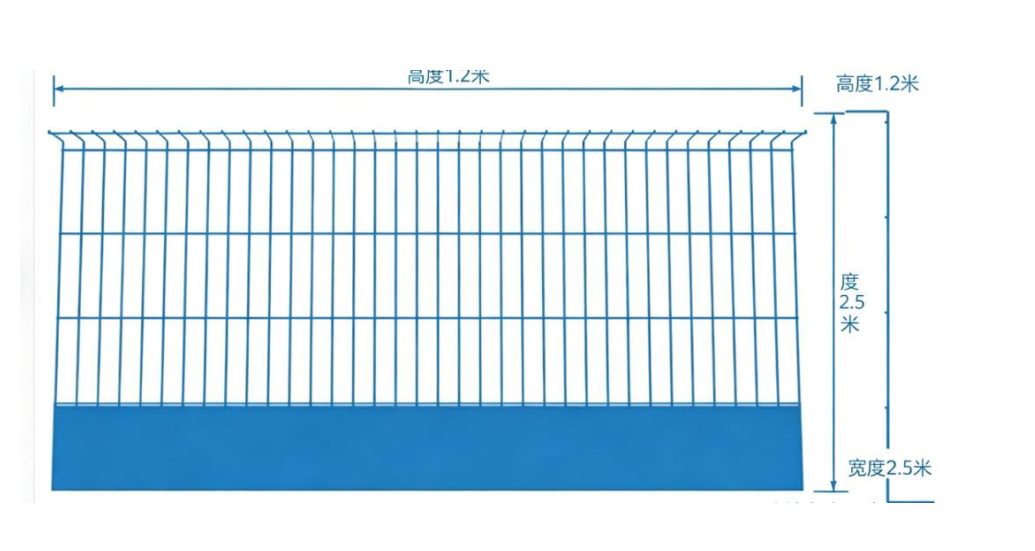
A Panel Length:1.5m,2.0m,2.2m,2.5m
B Panel height:1.05m,1.2m,1.3m,1.4m,1.5m
C Wire:single wire 8.0*6.0mm,6.0*5.0mm,5.0*4.0mm
Double wire;8/6/8mm,6/5/5mm,5/4/5mm
D mesh hole:75×75mm,50×100mm,50×200mm,75×150mm
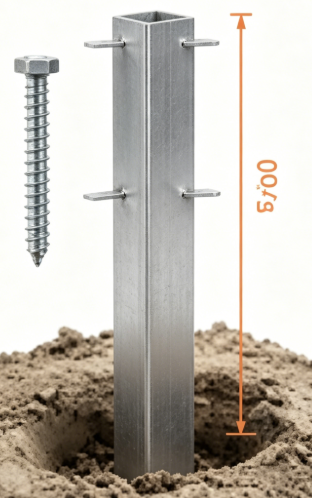
E Post:ɸ48 × 2 mm, ɸ60 × 2 mm
With bend 60°, 90°
SURFACE TREATMENT:
1.Hot-dipped galvanized wire and tube welded
2.Power after galvanized wire and tube welded
3.POWDER after black wire and tube welded
Materials: Fencing gate mesh, metal posts, connectors (such as bolts), bases, and brackets,gate lock.
Tools: Screwdriver, electric drill, pliers, spirit level, etc.
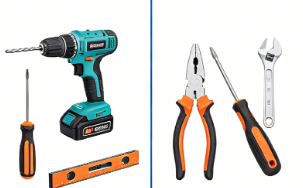
Step 1: Install the gate Posts
Step 2: Attach the Fencing panel
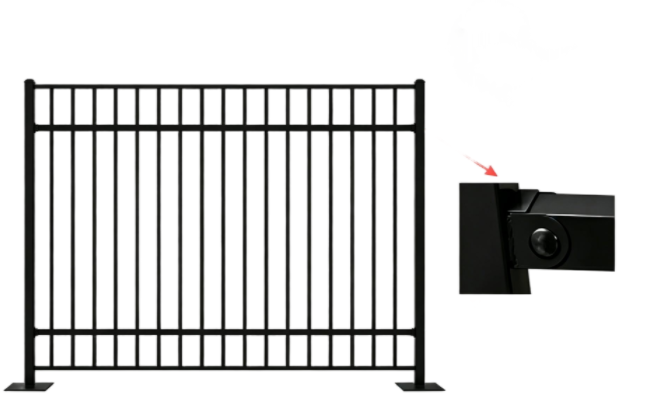
Step 3: Secure Each Mesh Section
Step 4: Check and Adjust
Step 5: Complete the Installation